

 Français
Today, the textile industry has made buying clothes easier than ever. With just a few clicks on your phone or a quick trip to the mall, you can get the latest styles for a small price. Stores are almost always restocked with new collections, and fashion trends change quickly. It’s exciting and affordable, too.
But behind the low prices and fleeting trends lies a story that many people are unaware of. It’s the story of fast fashion versus slow fashion. But slow fashion remains far from most people’s concerns.
It’s important to make better choices by thinking about their impact on people and the planet.
What is fast fashion?
Fast fashion involves producing more and more clothes in less time to keep up with market trends, using machines, cheap dyes, synthetic materials, and much more.
Today, fast fashion is in vogue because it produces a greater quantity of clothes in a minimum amount of time. But it’s important to keep in mind that it’s not environmentally friendly and consists mainly of synthetic materials.
Most clothes are made with poor-quality products. People choose clothes based on what they see celebrities or famous stylists wearing. These types of clothes are sold at low prices, making them very attractive to end consumers.
Fast fashion brands such as Shein, Zara, H&M, and many others produce new collections and styles very quickly, up to every two weeks.
However, the constant release of new collections encourages customers to keep buying products. At the same time, this leads to overconsumption and a “buy, wear, throw away” mindset.
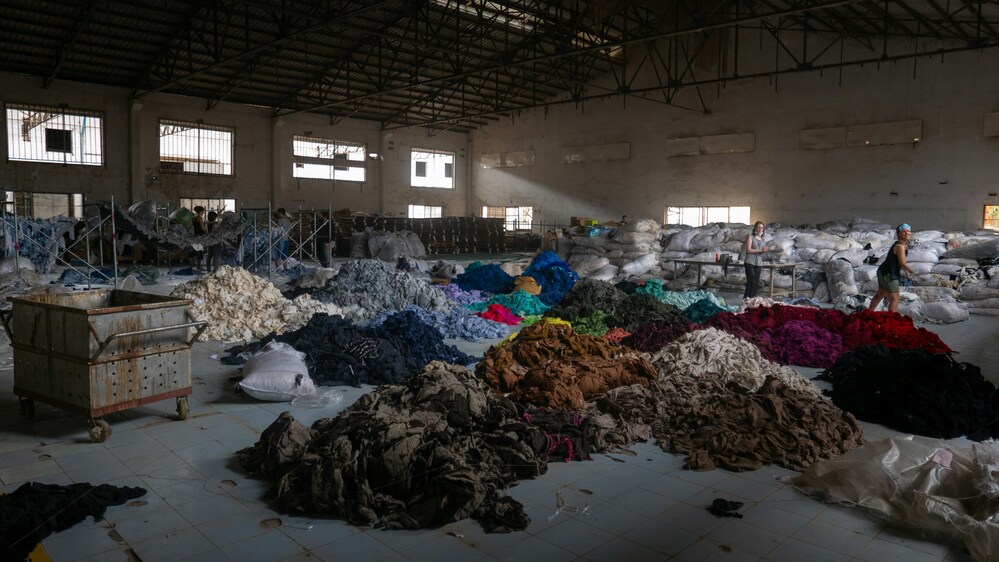
The regular release of new collections encourages people to keep buying, which consumes more resources and creates more waste. In addition, unsold items are often destroyed or thrown away to keep up with the rapid pace of production.
The environmental and social impact of fast fashion
When it comes to fast fashion and slow fashion, we already know that the fashion industry generates a lot of waste. It is difficult to use cheap materials such as polyester, which increases plastic pollution. Each year, fast fashion choices produce 8-10% of global carbon emissions and 35% of the microplastics that pollute our oceans.
We are not saying that ethical fashion is totally harmful, but in many fast fashion brands, workers are paid less. They work long hours in dangerous environments. In general, this type of industry does not care about labor standards. It is unethical and also has a significant impact on the environment.
However, the constant release of new collections encourages customers to keep buying products. These chemical and synthetic dyes don’t just disappear. They remain in our clothes, which are in direct contact with our skin. Some of these materials are even banned but still in use. As a result, they can cause cancer, asthma, and other types of allergies.
What is slow fashion?
Slow fashion focuses more on quality than quantity. Workers are paid a fair wage and treated with respect while working in an environmentally friendly environment.
Slow fashion brands can focus on various aspects of sustainability, including local sourcing, natural materials, hand-woven fabrics, recycled production, eco-friendly dyes, fair trade practices, water and energy conservation, and biodegradable packaging. They strive to prioritize these points in order to make their products more environmentally friendly and sustainable.
Why is slow fashion important?

Instead of creating waste with poor-quality clothing, slow fashion offers high-quality products using environmentally friendly materials. It uses less water during production and also reduces the fashion industry’s carbon footprint.
Environmentally friendly slow fashion brands offer high-quality, durable, and long-lasting clothing. The main goal is to reduce waste and minimize the impact on the environment. More than 92 million tons of textiles are wasted each year. Slow fashion produces clothing that lasts longer, which reduces waste.
Conclusion
The future of fashion is moving towards mindful shopping. Customers are looking to build sustainable collections rather than following fast fashion trends. We hope you’ll find comprehensive advice on fast fashion and slow fashion to help you create your sustainable projects.
Finally, slow fashion trends involve buying less while investing in sustainable clothing. This helps support the planet and the people who make our clothes.
At Fibre Bio, we provide high-quality, ready-to-dye, sustainable fabrics and products. Our main goal is to manufacture eco-friendly products and fabrics in order to reduce our impact on the environment. To purchase our natural collections, contact us at [email protected] for more details.