

 Français
A few decades ago, people only used natural fabrics. They were also part of everyday life. But today, fabrics laden with chemicals dominate the fashion industry, and with the rise of synthetic materials such as polyester and nylon, many younger generations have never experienced the true feel of natural fabrics. It’s time to revive the beauty and benefits of natural materials and help people rediscover them.
Natural materials such as cotton, linen, wool, silk, and hemp have many advantages and are used to provide comfort, breathability, and skin-friendliness. It is important to understand the benefits of choosing natural and environmentally friendly textiles.
Each sustainable material has its own characteristics. Fabrics are not only for our comfort but also for our health and the environment. Learn more about natural and sustainable fabrics below.
WHAT IS A NATURAL FABRIC?
Fabrics are derived from plants or animals, which are breathable, biodegradable, and environmentally sustainable. In addition, fabrics are generally free of harmful chemicals and gentle on the skin.
Explore more about natural fabrics
WHAT ARE THE BENEFITS OF NATURAL FABRICS?
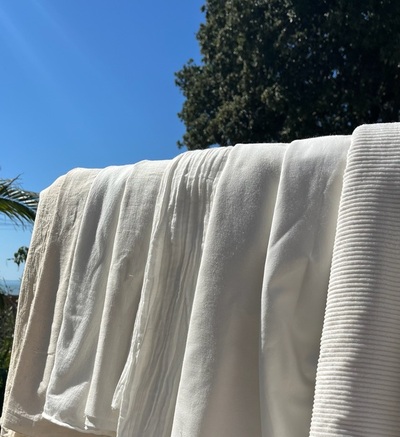
There are many types of fabrics, but why should you choose only natural and organic fabrics? Consider the following points to understand why these sustainable fabrics are worth it.
STRONG AND DURABLE
Fabrics are strong and durable. They don’t tear easily, even after many washes. Clothes made of cotton, linen, or wool can last for years if you care for them properly. They withstand the heat of ironing or washing better than many synthetic materials, such as polyester.
ENVIRONMENTALLY FRIENDLY AND SUSTAINABLE
Fabrics are environmentally friendly and sustainable compared to synthetic fabrics because they come from natural sources. They are also biodegradable, which means they break down easily in the environment without causing damage. Unlike synthetic fabrics, they do not release microplastics when washed or worn due to the opening of the pores of the skin under the effect of perspiration.
HEALTHIER FOR THE SKIN
Natural fabrics are soft and healthier for the skin. They allow air to circulate, which helps keep the skin cool and dry. They do not retain sweat and heat, reducing the risk of rashes or allergies. Many fabrics are also free of harsh chemicals and are better suited for people with sensitive skin or allergies.
BREATHABLE AND DURABLE
The fabric has inherent properties that allow for better air circulation and moisture absorption, regardless of the weather. Fabrics made from natural fibers are highly breathable. The fabric absorbs excess sweat and odors, so your clothes are more comfortable to wear.
SUPERIOR QUALITY
Natural materials make a big difference. They last longer and feel better over time. Choosing better quality means fewer replacements, less waste, and more satisfaction with every use. In addition, quality fabrics feel better thanks to their softness and comfort.
GENTLE ON THE SKIN
The fibers are hypoallergenic and dermatologist-tested. They offer reliable protection against the sun’s rays. Advanced moisture-wicking technology effectively absorbs sweat and keeps the skin dry.
For example, organic cotton is produced without pesticides or harmful chemicals. It is healthier for the environment and for customers. Whether your skin is oily or dry, the fabric adapts to your needs and offers maximum comfort without causing irritation.
SOFT TEXTURE
Natural fabrics have a soft and smooth texture that is pleasant to the touch. Over time, natural fibers such as cotton, bamboo, silk, or linen become even softer with each wash. Fabrics with a soft texture are also easy to dye with natural dyes. They also help maintain body temperature balance. They are lightweight and soft, even when worn for long periods of time.
WHY NATURAL FABRICS ARE BETTER FOR THE ENVIRONMENT
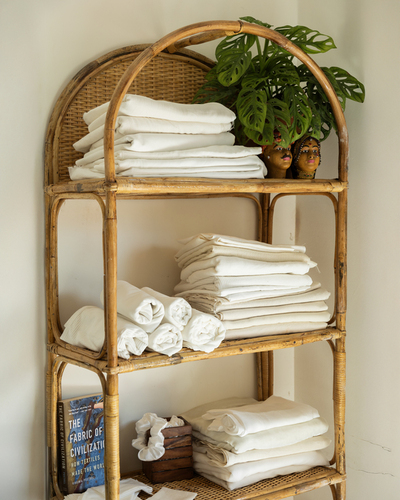
Biodegradable clothing is made from natural, sustainable materials that break down naturally over time. The fabrics are environmentally friendly.
Unlike synthetic clothing used in fast fashion, which can take hundreds of years to decompose and release microplastics. Natural fabrics return to the earth safely. Choosing biodegradable clothing reduces waste, protects ecosystems, and makes the planet healthier.
Natural materials like cotton can decompose in a matter of months, depending on environmental conditions such as temperature, humidity levels, and microbial activity. In contrast, synthetic fabrics like polyester or nylon can take up to 200 years to decompose completely.
CONCLUSION
Switching to natural fabrics isn’t just a trend. It’s also one of the best choices you can make for your health, your skin, and the environment. As more and more people become aware of the skin problems and environmental damage caused by synthetic fabrics, choosing natural materials such as plant- and animal-based fibers is an important step toward a greener future.
Looking for comfortable, natural fabrics to wear?
At Fibre Bio, we make it easy for designers and dyers to access eco-friendly textiles. Our goal is to offer natural and organic fabrics that protect your skin and reduce the textile industry’s impact on the environment.
All of the organic cotton fabrics we sell are GOTS certified, and our linen is OEKO-TEX certified. By emphasizing sustainability and transparency, we support a more ethical supply chain, from fabrics to products.
Explore our collection of natural and eco-friendly fabrics and take the first step towards a greener lifestyle. For any inquiries or assistance, please contact us directly at [email protected].